
Four Years Ago Today, the Queen Left Two Corgis Behind. Six in Ten Pet Owners With a Will Never Mention the Pet.
Queen Elizabeth II passed away four years ago today, and the question of who keeps her corgis still doesn't have a tidy answer. Most households have even less written down — here's the short-term plan and the long-term one.
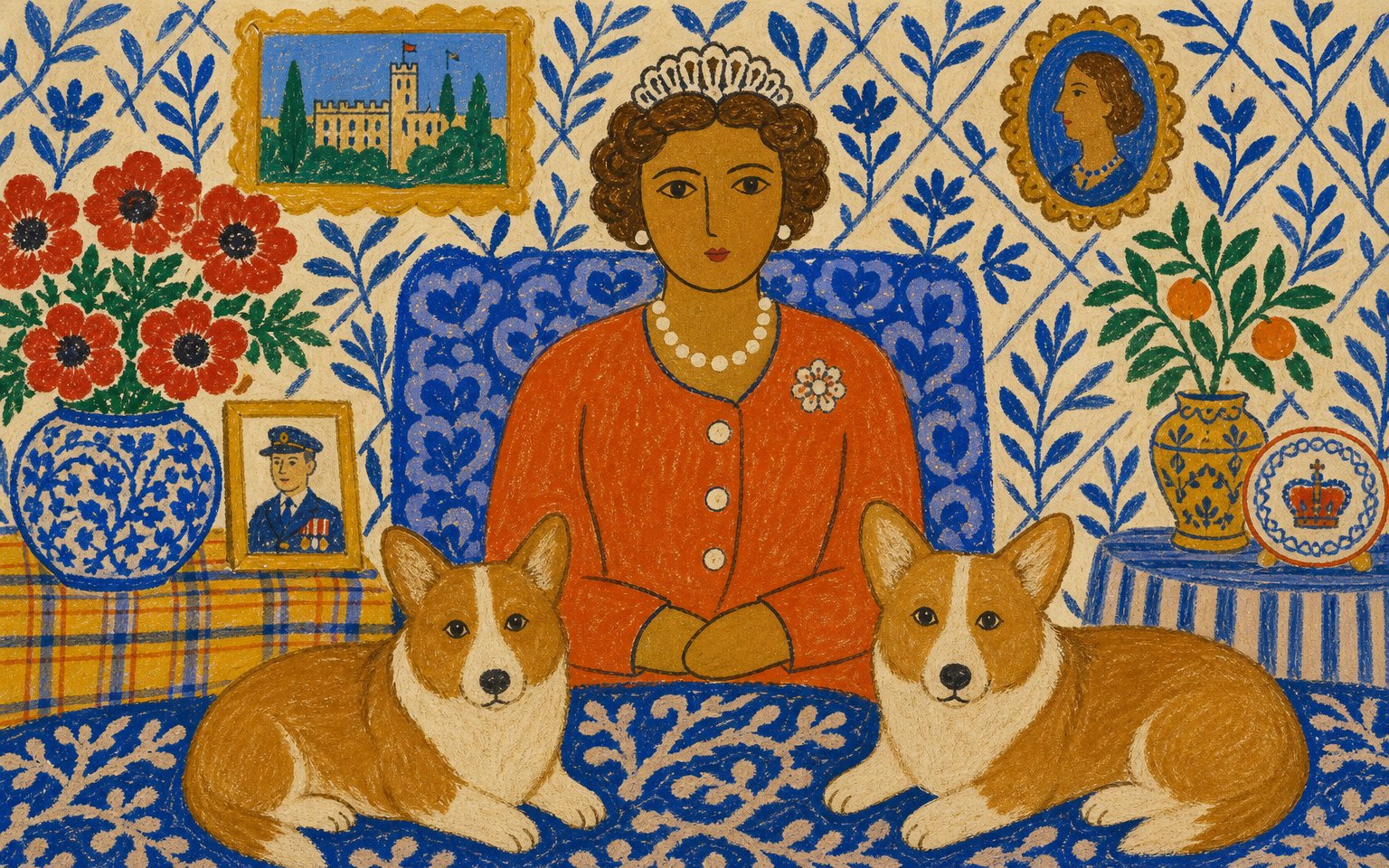
Queen Elizabeth II passed away four years ago today, on 8 September 2022. She left behind two Pembroke Welsh corgis, Muick and Sandy, and the arrangement for them has been shifting ever since.
They went first to Prince Andrew and Sarah Ferguson, who had given the Queen the puppies during the pandemic. [1] Ferguson became their public face, posting updates and calling the job an honour. Then Andrew's departure from Royal Lodge raised the question again, and Buckingham Palace's answer was that "the corgis will remain with the family" — without naming who in it. Reporting in February 2026 placed the dogs with him at Sandringham. [2]
That's the estate of a head of state, drafted by the most-lawyered household on earth, and four years on the honest answer to who has the dogs is still a little unsettled. It's a fair guess that most of the rest of us have less written down than that.
The numbers back it up. In a Harris Poll conducted for the AICPA in July 2026, 95% of dog and cat owners said they consider their pet a family member. Seventy-three percent had a will or trust — and of those, only 40% had included any provision for the pet. [3] So among pet owners who have done their estate planning, roughly six in ten stopped short of the animal sleeping on the sofa.
When the survey asked the ones who left the pet out why, the answers were mostly not callousness. Forty percent simply hadn't considered it. Thirty-eight percent assumed family would handle it. Twenty-five percent thought wills were only for people. [3]
The assumption in the middle is the one worth poking at, because it is exactly the assumption that produced four years of headlines about two corgis.
A will is the slow half of the plan
Under the law, a pet is property. That has two practical consequences that surprise people.
The first is timing. A will takes effect through probate, and probate takes weeks to months. Your dog needs dinner tonight. In the gap between those two facts, no one is under any legal obligation to show up at your house, and whoever does show up is unlikely to be carrying documentation of what your cat eats.
The second is that you cannot leave money to an animal in a will, because property cannot own property. You can leave a pet and a sum of money to a person, and then hope. That hope is not enforceable, which is the specific gap pet trusts were invented to close.
What a pet trust does
Every state now has a pet trust statute — all fifty plus the District of Columbia, with Minnesota the last to adopt one, in 2016. [4]
A pet trust separates three roles that a will smushes together: the caregiver who has the animal, the trustee who holds and releases the money, and the beneficiary — legally the trust exists for the animal's care, and a court can enforce it. It also lets you say what "care" means: the vet you use, the food, whether the cat is indoor-only, what you want done at the end of the animal's life, and who gets the remainder afterward.
One caveat worth knowing: some states let a court reduce or redirect trust funding it decides exceeds what the animal could plausibly need. [4] Leona Helmsley's $12 million for a Maltese is the famous example of a number a judge will look at twice. A realistic figure — annual costs multiplied by a generous life expectancy, plus a cushion for one bad year — is less likely to invite that.
The part that matters more is the first 48 hours
The trust handles the years. Something has to handle the weekend.
- Name two people, and ask them. One for emergency short-term care — someone with a key who can be at your door the same day — and one for the long term. They can be the same person, but the short-term slot is the one most plans leave blank. A named organization or breed rescue makes a reasonable third line if no individual works.
- Write the one-page sheet. Vet's name and number, medications and doses, food and feeding schedule, the behavior notes a stranger would need (hides under the bed, escapes through the screen door, cannot be left alone with the other cat). Keep a copy on the fridge and a copy with each named person.
- Carry a card. A line in your wallet and on your phone's lock screen saying you have animals at home and who to call is what turns an ambulance ride into a phone call rather than a discovery.
- Fund it somehow. A pet trust is the formal route. A payable-on-death account naming the caregiver, or a modest life insurance beneficiary designation, are lighter-weight versions that at least keep the caregiver from paying out of pocket.
- Keep the paperwork current. Vaccination and medical records make a pet far easier to place, whether with a person or through a rescue. [5] And if the animal does change hands, the microchip registration should follow — a chip that still lists a phone number nobody answers helps no one, and updating the contact on file is free.
Why the shelter is the default outcome
Absent a plan, the animal usually ends up in the same place: a shelter, at a moment when shelters are already tight on space. Best Friends Animal Society's framing of the current shortfall is that a dog or cat is killed in a U.S. shelter roughly every 90 seconds for want of a home. [5]
An owner passing away is not the biggest driver of that number, but it's one of the most preventable pieces of it, and the prevention is an afternoon of paperwork rather than money.
The AICPA's own recommendation, alongside building a pet emergency fund and reviewing insurance, is simply to name a caregiver and put a provision in the estate documents you already have. [3] If you have a will, adding the pet is usually a short amendment. If you don't, the wallet card and the one-page care sheet cost nothing and cover the part that happens first.
Four years of speculation about two corgis is a strange kind of luck — at least somebody was watching. Most pets don't get the coverage.
This article is general information, not legal or financial advice. Pet trust rules vary by state; an estate attorney licensed where you live can tell you what applies to yours.
Sources
- Prince Andrew to take on Queen's beloved corgis — Malay Mail / AFP, 12 September 2022
- Queen Elizabeth's Corgis Are Living with Former Prince Andrew — AOL, 2026
- Pets influence Americans' financial decisions, AICPA survey finds — Journal of Accountancy, August 2026 (Harris Poll conducted mid-July 2026)
- Pet Trust Laws — ASPCA
- Why Pet Estate Planning Is a Must for Older Adults — AARP